

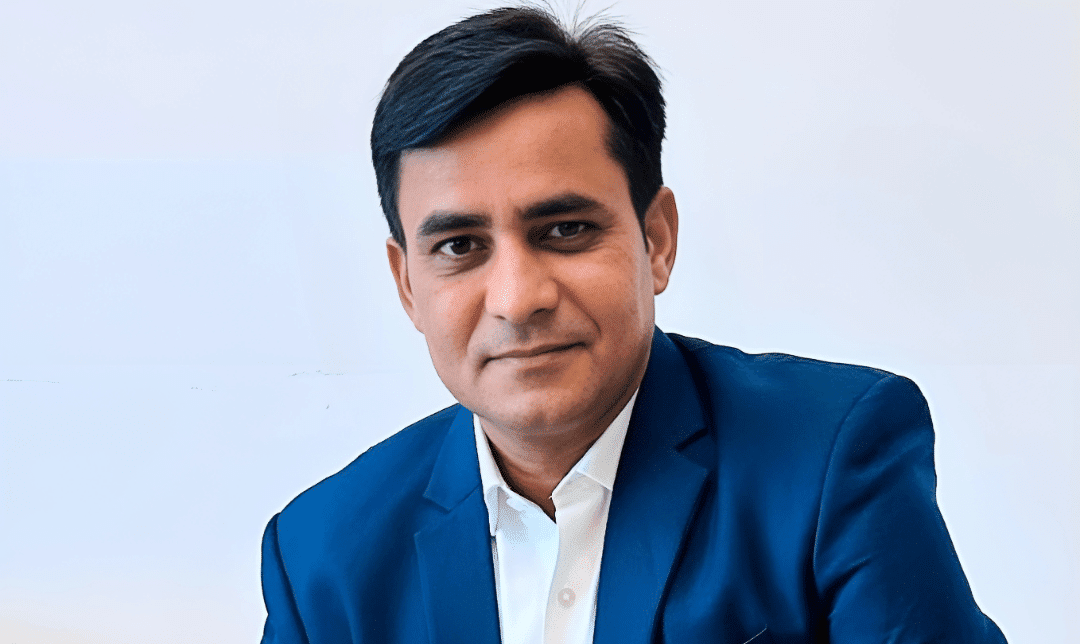
Dinesh Yadav, Founder and Managing Director, of Fine Acers Pvt. Ltd.
With festivities around the corner, India’s hospitality industry has received a timely boost. The recent Goods and Services Tax (GST) reduction has not only lightened the burden on travellers but also rekindled optimism among hotels and resorts across the country. Rooms priced at or below ₹7,500 are now taxed at 5% instead of 12%, and mid-scale as well as premium-budget hotel stays are expected to rise by nearly 7–8% this festive season. The timing could not be more auspicious, coinciding with India’s peak travel quarter, when cultural celebrations and personal milestones fuel some of the year’s heaviest demand.
For the average traveller, this amendment translates into greater affordability. With the relief, tourists can extend itineraries, opt for better accommodations, or spend more on local experiences. This shift is expected to result in longer stays and more travellers on the move, boosting industry revenues by 20–25% this festive season.
Destination Weddings as a Growth Engine
Before the GST cut, ICRA had projected revenue growth of 6–8% for the sector in FY26. A major contributor has been destination weddings, which are growing in momentum each year. Valued at USD 3.5 billion in 2024, the Indian destination wedding market is forecast to reach USD 25.7 billion by 2033, at a remarkable CAGR of 22.1%.
With the lower tax rate, demand from banqueting and hotels has already increased by 18–20%. Mid-tier budget weddings, in particular, will benefit from reduced accommodation and hospitality costs, adding further momentum as the season picks up in November.
The Rise of Branded Resorts on the Sales-Leaseback Model
A parallel trend reinforcing this boom is the rise of branded resorts under the Sales-Leaseback (SLB) model. Once considered a niche, this format has emerged as a preferred choice for travellers who seek the reliability of a hospitality brand combined with the immersive experiences that destination properties provide. Leisure holidays are increasingly being paired with wedding celebrations at these resorts, from palatial retreats in Rajasthan to beachfront escapes in Goa.
This segment is also evolving into a strong asset class for investors. Global hospitality chains are partnering with Indian developers to create properties that blend luxury, location, and brand equity.
Attractive Opportunities for Investors
The Indian hotels market, valued at USD 32.1 billion in 2023, is projected to reach nearly USD 59.4 billion by 2030, growing at a CAGR of 9.4%. Within this, branded resorts operating on the SLB model stand out as a high-growth segment, offering steady cash flows from leisure demand and premium pricing during peak wedding and festive seasons. Institutional investors and HNIs are particularly eyeing opportunities in Tier-2 and Tier-3 cities, which are emerging as key destinations for both tourism and weddings.
Changing Traveller Preferences
Meanwhile, consumer patterns are shifting. Families are showing increased interest in longer stays, often blending leisure with remote work. Post-pandemic, the workation culture has taken root, with travellers seeking properties that allow them to balance work and leisure seamlessly. Branded resorts, with their reliable infrastructure and services, are well-positioned to capture this demand. Holiday homes, boutique resorts, and branded properties in mountain, coastal, and heritage destinations are already reporting higher festive bookings.
A Festive Season of Optimism
Reduced cost pressures in branded residences will improve affordability and curb sharp price escalations. For premium travellers, even modest savings can encourage greater spending. At a time when families are planning elaborate weddings, travellers are ready to explore, and investors are seeking resilient asset classes, branded resorts; balancing consumer trust with investment potential; are emerging as the category in greatest demand.
 admin
admin